Ditch the dry paper.
Get the wash that fits your bathroom.
bidets.ai is the straight-talking guide to the bathroom upgrade most of the world already made. Honest reviews, side-by-side comparisons, 20-minute install guides, and a radar that hunts for every real discount.
The shortlist: six picks that earned it
Our highest-scoring reviews, from the $59.99 attachment that starts it all to the seat with UV-cleaned everything. Scores are editorial and preliminary — our methodology is published, and hands-on testing starts at launch.
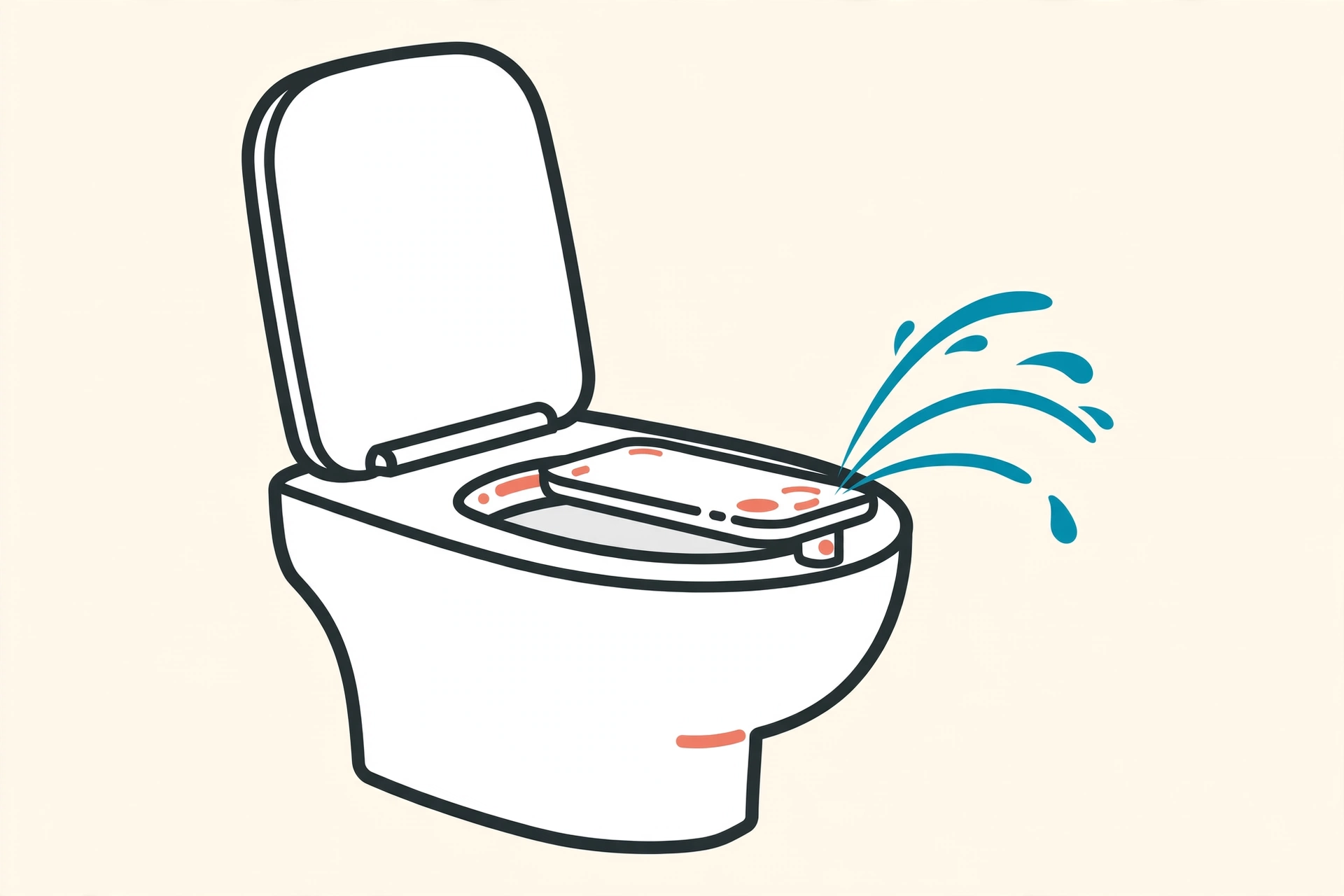
LUXE Bidet NEO 320
Hot-and-cold attachment with dual nozzles, self-cleaning wand, and a 20-minute install. The easiest way in.
TUSHY Classic 3.0
Slim, tidy design with a self-cleaning SmartSpray nozzle — and HSA/FSA checkout as a bonus.
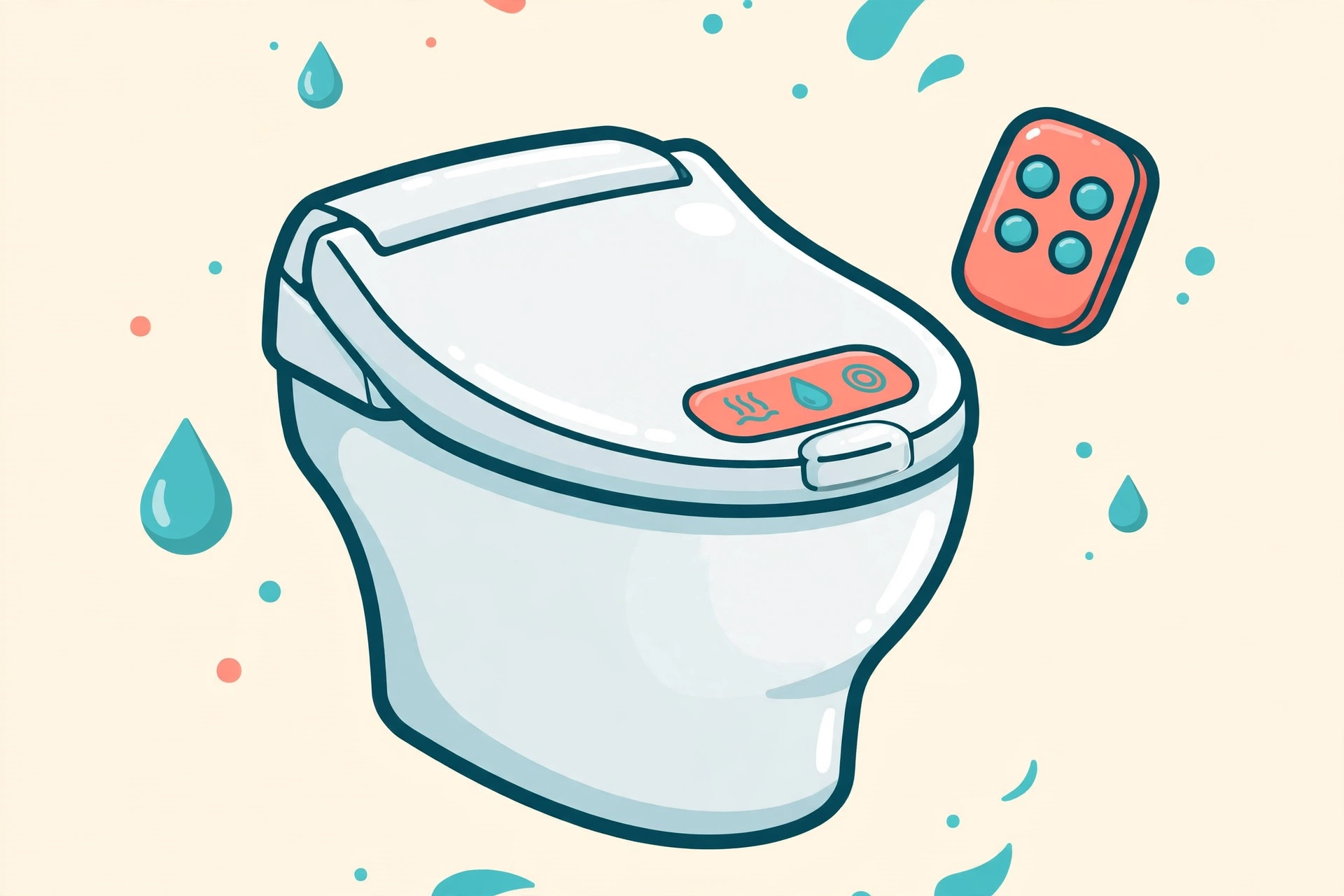
Brondell Swash 1400
Endless warm water, heated seat, dryer, deodorizer, nightlight — the full spa roster, dialed in.
Bio Bidet BB-2000 Bliss
Triple stainless nozzle, vortex wash, unlimited warm water, and a remote that runs it all.
TOTO Washlet C5
PREMIST + EWATER+ wand cleaning set the hygiene bar. TOTO refines what others merely add.
Kohler PureWash E930
UV-cleaned wand, motion-open lid, bowl misting, app + voice control. The kitchen sink of bidets.
Why make the switch?
Before models and prices: why most of the world already washes instead of wipes — and why your routine is still stuck in the paper age.
The toilet-paper money pit, visualized
Drag the slider to see your household's estimated annual toilet-paper spend — and how fast a bidet pays for itself.
Ballpark math: 2 rolls per person per week at $0.90 a roll. Your mileage may vary.
Kinder on skin
Less friction, less irritation. People dealing with hemorrhoids, postpartum recovery, and mobility challenges consistently call this the upgrade that mattered most.
Cleaner, full stop
Mud on your hands, sand on your feet — you'd never call a dry wipe "good enough." Water cleans in a way paper just can't.
Gentler on the planet
A bidet uses about a pint of water per wash — far less than the water used to manufacture the toilet paper it replaces.
Shortage-proof
Remember 2020's empty shelves? Bidet owners watched calmly. Next shortage or supply-chain hiccup, you skip the 48-pack run.
Happier plumbing
Less paper going down the drain means fewer clogs — and far fewer arguments with a drain snake at 11 p.m.
Saves real money
A household of four spends hundreds per year on toilet paper. A $60 attachment pays for itself in a couple of months — then keeps paying.
Stats here are commonly-cited ballpark figures, not lab measurements — your mileage (and your plumbing) may vary.
Three types. One fits your life.
Attachments
Slide under your existing seat. No electricity needed. Cold water, or warm with a sink hookup.
- Zero wiring — renters welcome
- Installs with basic tools
- Best value per dollar
Electric seats
Replace your seat: warm water, heated seat, dryer, remote control.
- Endless warm water
- Self-cleaning nozzles
- Needs a GFCI outlet nearby
Smart toilets
Full integrated units. Auto open/close, auto flush, dryer — here now, not science fiction.
- Auto open/close lid + flush
- Heated everything
- Electrician + plumber territory
See a real install before you commit
Six short clips cover the full attachment install — shut-off to first spray. No talking head, no 40-minute preamble.
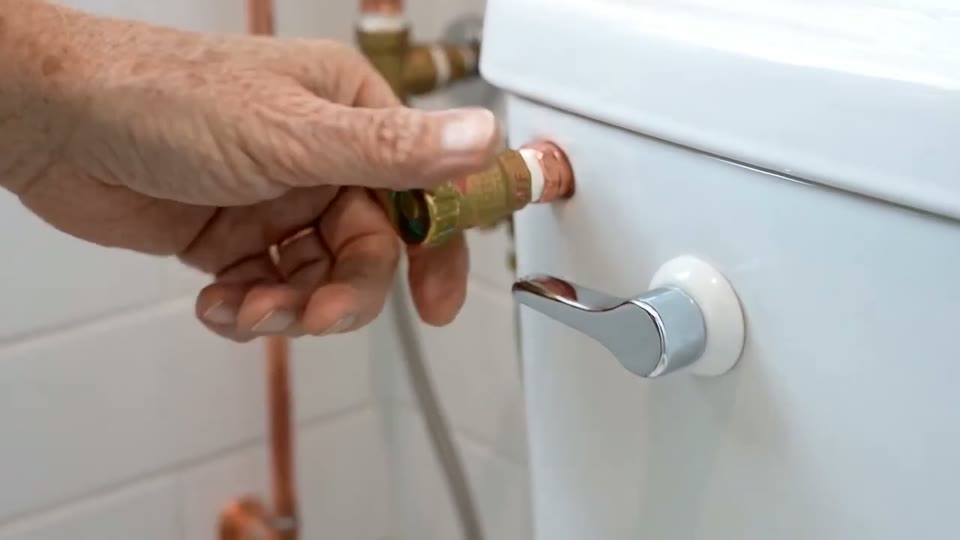
Shut off the water
Step 2 · Sample clip
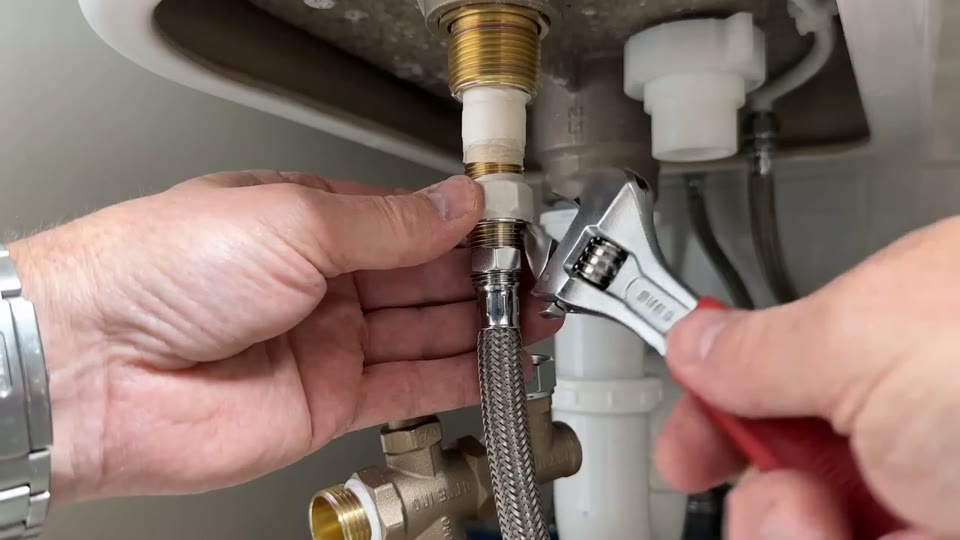
Add the T-valve
Step 5 · Sample clip
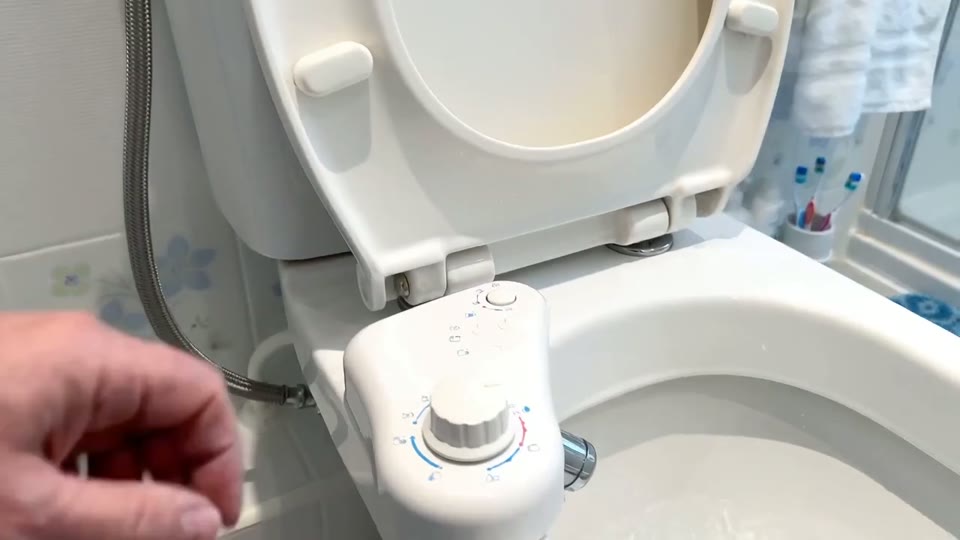
Test it and celebrate
Step 6 · Sample clip
Every discount. Swept for you.
Deal Radar sweeps retailer feeds hourly — open-box finds, seasonal sales, FSA/HSA angles, and reader-only coupons. Sold-out items drop off the list on their own.